English
 Arabic
 Russian
 Turkish
 Hindi
Hindi Chinese (Simplified)
 Urdu
Urdu
ROI vs. Capital Appreciation: Dubai Real Estate Guide
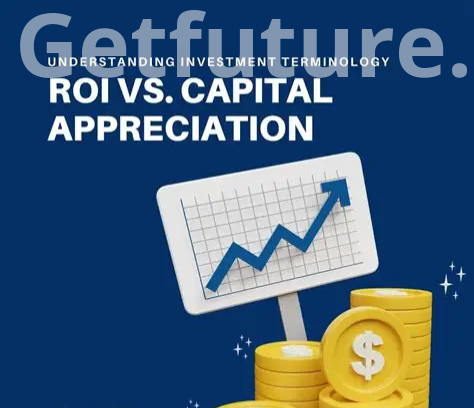
The Two Pillars of Real Estate Wealth
When investing in the dynamic Dubai real estate market, success is built on two primary financial engines: Return on Investment (ROI) and Capital Appreciation.
While both terms measure profitability, they represent completely different financial mechanisms. Understanding how to calculate them, what drives them, and how supply and demand dictate their trajectory is the difference between an amateur buyer and a successful portfolio investor.
Part 1: What is ROI (Return on Investment) and How to Calculate It?
Definition
ROI measures the cash flow and ongoing financial returns generated by a property relative to the total capital invested. In real estate, this is primarily driven by rental income.
How to Calculate Rental ROI (Net Rental Yield)
To find the true profitability of a property, smart investors look at Net ROI rather than Gross ROI, as Net ROI accounts for annual maintenance, service charges, and management fees.
Example: If you buy a studio apartment in JVC for 600,000 AED, and it generates 54,000 AED in annual rent with 4,000 AED in annual service charges:
Part 2: What is Capital Appreciation and How to Calculate It?
Definition
Capital Appreciation is the increase in the market value of a property over time. Unlike ROI (which measures regular cash flow from rent), capital appreciation is a realized or unrealized gain when the property's asset value grows from purchase price to market resale value.
How to Calculate Capital Appreciation
Example: If you purchased an off-plan apartment for 1,000,000 AED and its current market valuation upon completion is 1,300,000 AED:
Part 3: What Drives Supply and Demand in Dubai Real Estate?
Property prices, capital appreciation, and rental ROI are ultimately governed by the fundamental economic laws of supply and demand. Here is how they are measured and what influences them:
1. Key Metrics Used to Measure Supply and Demand
Absorption Rate: Measures how fast available properties are being bought or rented up in a specific community. A high absorption rate signals high demand and low supply.
Vacancy Rates: The percentage of vacant units in a building or community. Low vacancy rates (under 5%) indicate heavy tenant demand, pushing rental ROI up.
Off-Plan Launch Volume vs. Handover Pipeline: Tracking the number of new units scheduled for completion by developers helps forecast future supply gluts or shortages.
2. What Influences Demand in Dubai?
Population Growth & Influx of Expats: Dubai’s continuous attraction of global entrepreneurs, remote workers, and multinational corporations creates permanent baseline housing demand.
Infrastructure Developments: New metro line extensions, major highway upgrades, or lifestyle mega-projects instantly spike demand in emerging districts (e.g., Jebel Ali Downtown, Tilal Al Ghaf).
Tourism and Short-Term Stays: High tourism volumes drive massive demand for holiday homes, boosting short-term rental ROI in prime waterfront locations like Dubai Marina and Downtown.
3. What Influences Supply?
Developer Handover Delays: Construction delays often temporarily restrict expected supply, keeping rental yields and prices elevated.
Master Community Land Availability: Areas with finite land space (like Palm Jumeirah) experience severe supply constraints, resulting in rapid capital appreciation.


Q1: Which is more important: High ROI or high capital appreciation?
A1: It depends on your investment goals. If you want steady passive income to fund your lifestyle, prioritize high ROI (studios and 1-beds in areas like JVC). If you want long-term wealth building and large lump-sum profits, prioritize capital appreciation (luxury penthouses and villas in prime restricted locations like Palm Jumeirah).
Q2: How does off-plan buying affect capital appreciation?
A2: Buying off-plan allows investors to capture capital appreciation during the construction phase. As the building progresses from foundation to completion, its market value typically rises, meaning you can sell at a profit even before handover.
Q3: How do interest rates impact Dubai property supply and demand?
A3: While high global interest rates can slow down mortgage-backed buyers, Dubai's market is heavily driven by cash buyers, which keeps demand relatively resilient compared to Western real estate markets.